
🧠 The Genius of Havaianas in a Nutshell: They didn’t change the product, they changed the meaning of the product. A rubber flip-flop became: • 🌴 A symbol of Brazilian leisure • 💅 A casual-chic fashion item • ✈️ A travel souvenir • 🏖️ A summer must-have
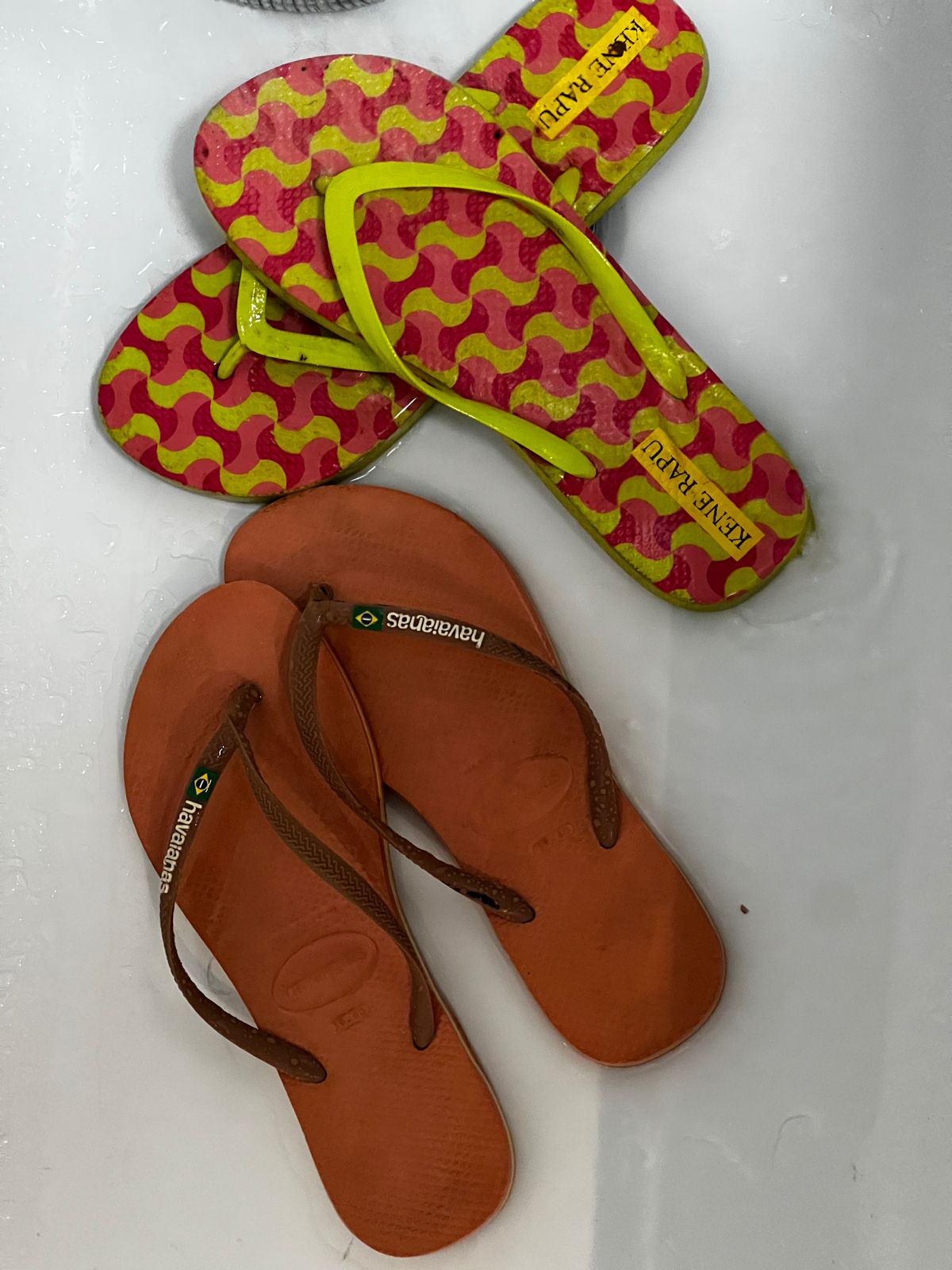
How Havaianas Turned Cheap Rubber Flip-Flops into a Global Lifestyle Icon By all logic, rubber flip-flops shouldn’t be glamorous. They’re flat. They’re cheap. They’re mass-produced. But Havaianas, a once-humble Brazilian brand born in the 1960s, pulled off one of the most impressive brand transformations in modern fashion history. They took a basic necessity and turned it into a global badge of style, travel, and chilled-out cool. Here’s how Havaianas pulled off the impossible — and why it remains a masterclass in branding, design, and cultural storytelling. ⸻ 🏗️ Step 1: From Utility to Lifestyle Havaianas started in 1962 as affordable, durable sandals inspired by Japanese zori. They were strictly functional: worn by Brazil’s working class, sold in corner stores, and available in one color — blue and white. But in the 1990s, Brazilian conglomerate Alpargatas realized the future wasn’t in rubber — it was in perception. So, they flipped the script (literally): • Introduced new colors and slimmer silhouettes. • Launched premium collections to differentiate from knockoffs. • Shifted messaging from “cheap comfort” to “casual luxury”. They didn’t change the product. They changed what it meant to wear it. ⸻ 🌴 Step 2: Celebrate the Brazil Factor Rather than distance themselves from their roots, Havaianas leaned into Brazil — and the world fell in love. They turned the sandals into a walking postcard: colorful, tropical, joyful, and full of rhythm. The now-iconic Brazilian flag logo on the strap was introduced just before the 1998 World Cup — and sales exploded. What they sold wasn’t just footwear. It was a lifestyle: laid-back, sun-drenched, and effortlessly stylish. ⸻ 💅 Step 3: Style on a Slipper To stay fashionable, they turned flip-flops into a fashion canvas: • Collaborations with top designers and luxury brands. • Limited editions and seasonal prints. • Even Swarovski crystal-studded versions for weddings and red carpets. The fashion industry took notice. Models, celebrities, and influencers were seen pairing them with couture. Suddenly, what used to be “beach wear” became everywhere. ⸻ 🛍️ Step 4: Premium by Placement Havaianas didn’t just upgrade the product — they rethought the entire buying experience: • Opened flagship stores in Brazil and international cities. • Created immersive displays in resorts, airports, and fashion boutiques. • Carefully controlled global pricing to keep the brand premium abroad (even if it remained affordable at home). Even though they cost just a few dollars in Brazil, the perception of exclusivity made people pay $30+ for the same item in London, Paris, and New York. ⸻ 🧠 Step 5: Master the Meaning At the end of the day, this is what branding is all about: Giving people more than a product — giving them a feeling. Havaianas turned a sandal into: • 🌍 A travel keepsake • 🏖️ A beach club essential • 🛫 A souvenir of a summer well spent • ✨ A cultural flex that says “I get it” They never pretended to be high-tech or rare. Instead, they made “simple” feel desirable. ⸻ 🔁 The Magic Formula in One Sentence Mass production + cultural relevance + retail theater + aspirational design = luxury without exclusivity. That’s the genius of Havaianas. ⸻ 🧭 Lessons for Brands Today If you’re building a product — especially in emerging markets — here are takeaways worth studying: • Identity sells. Lean into your roots. • People buy meaning, not materials. • Don’t chase exclusivity. Create desire. • Fashion is about feeling. If your product makes people feel cool, it wins. In a world of fast trends and AI-generated sameness, Havaianas reminds us: even a rubber slipper can become iconic — if it tells the right story.

